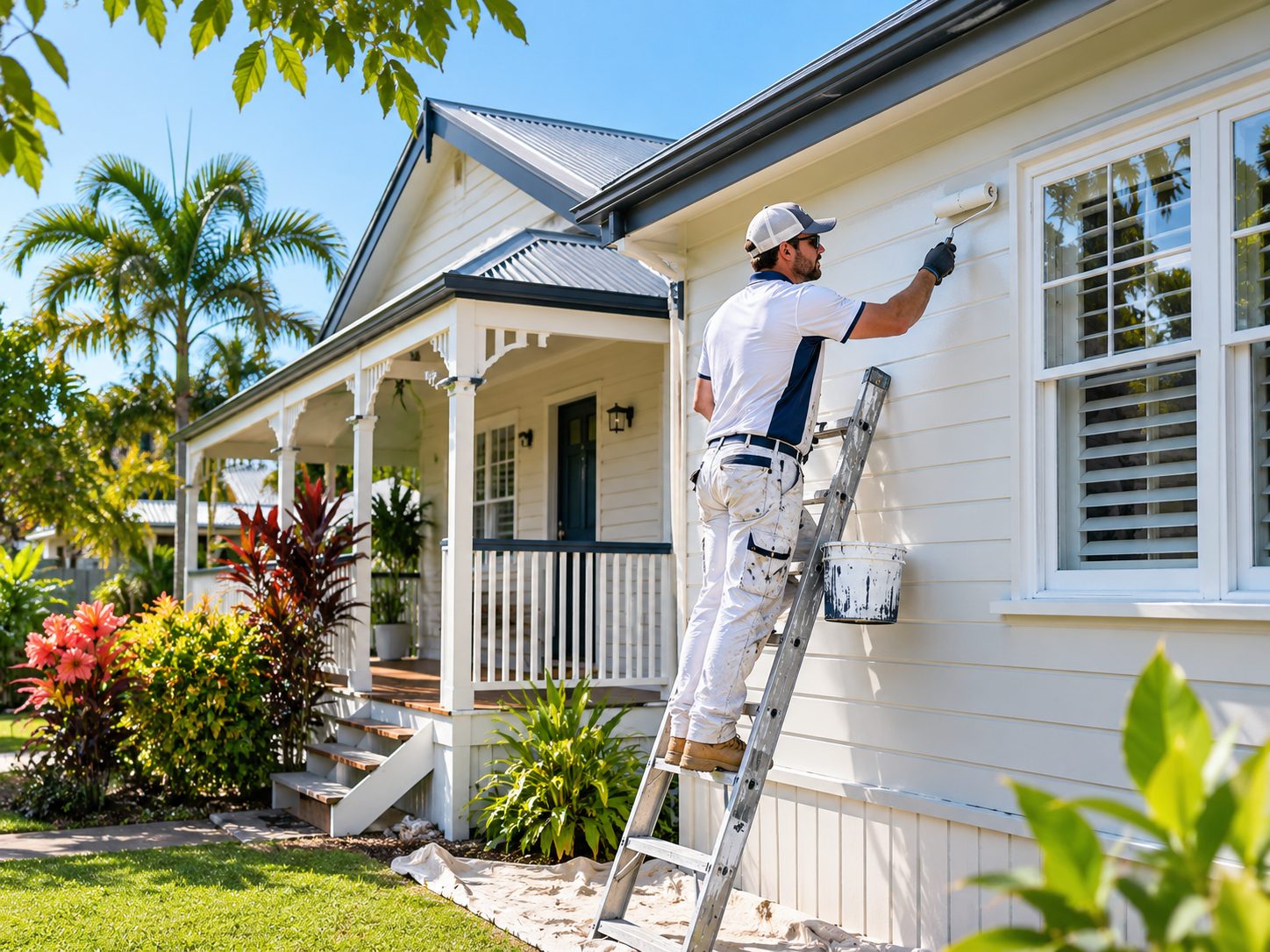
Weatherboard Painters Rockhampton
Weatherboard House Painting Rockhampton
Refresh your timber home's character with a carefully planned repaint. Get a Free Estimate
Weatherboard Painters Rockhampton
Refresh your timber home's character with a carefully planned repaint. Get a Free Estimate
Weatherboard homes are an important part of Rockhampton's residential character. From raised Queenslanders to traditional timber houses, these properties have architectural details that deserve thoughtful maintenance. Their external boards, windows, trims and decorative features also require suitable preparation before repainting.
Painters Rockhampton provides weatherboard house painting services for suitable timber properties. We consider existing paint layers, exposed timber, peeling edges, moisture issues and safe access before discussing the work. Our aim is to maintain the appearance of the home while recommending preparation and painting appropriate to its condition.
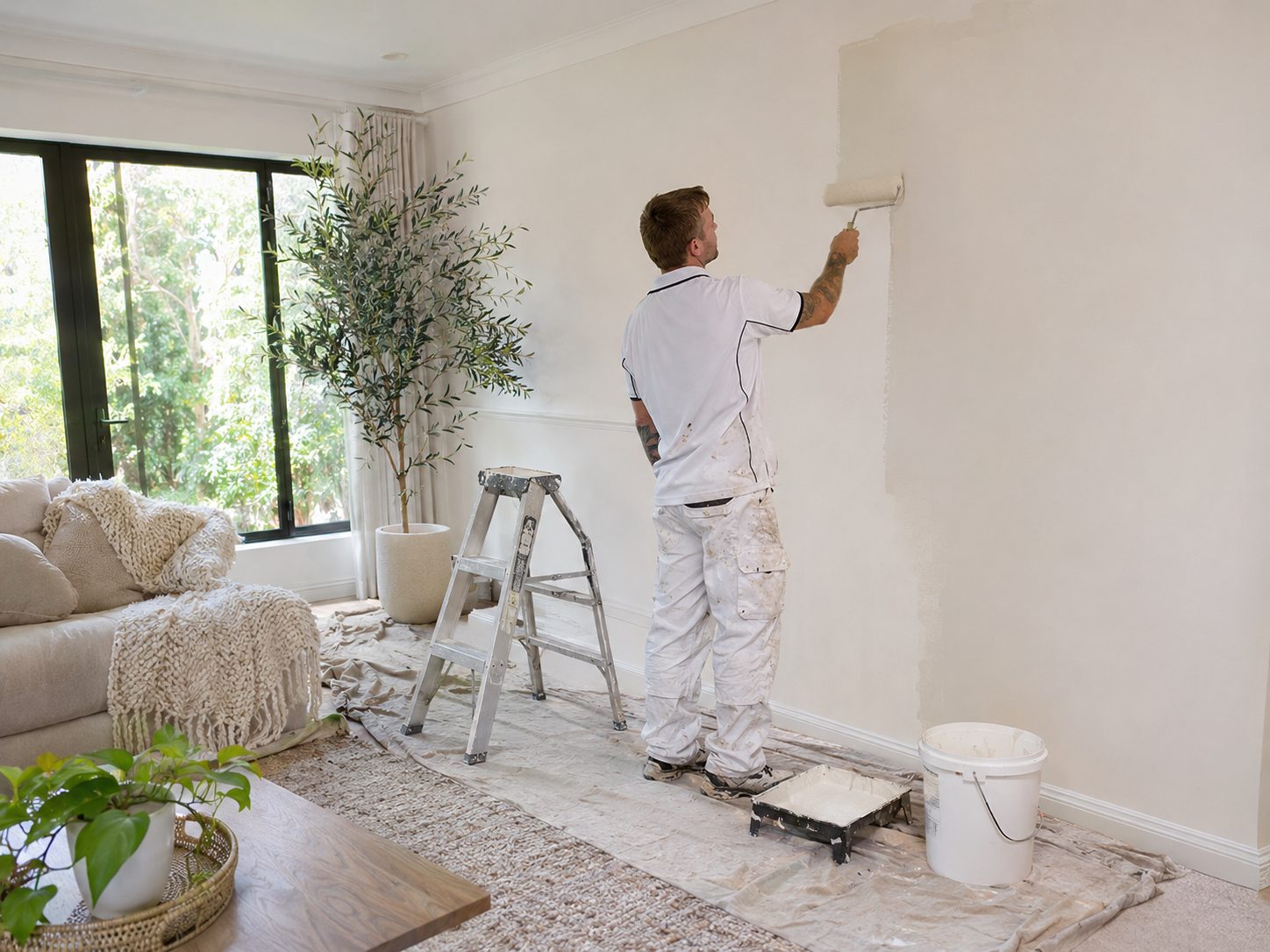
Timber painting involves more than choosing a new exterior colour. Existing coatings, board condition, preparation and building details all influence the finished result.
Before repainting weatherboards, it is important to understand the condition of the timber and existing coatings. Some boards may be sound but faded, while others have peeling paint, exposed edges or moisture-related defects. The extent of deterioration can differ between shaded and weather-exposed sides of the house. A proper assessment helps identify where preparation is needed and whether separate repairs should be considered. We discuss the visible condition of the boards, the previous paint and any areas of concern. Soft or rotting timber should not simply be covered with new paint. The underlying issue needs appropriate attention first. A stable substrate provides a better foundation for a lasting finish.
Older weatherboard homes can have several generations of paint. Where coatings are loose or flaking, suitable removal and preparation may be necessary before repainting. The method depends on the condition of the timber, the existing coating and potential hazards. Aggressive scraping or sanding can damage timber and may create harmful dust when older coatings contain lead. We believe safe preparation should take priority. Suspected lead-based paint requires appropriate assessment and controls before disturbance. Where paint is sound and compatible, complete removal may not always be necessary. The aim is to prepare the existing surface appropriately, not remove material without reason.
Timber surfaces can develop small defects around joints, corners and exposed edges. Appropriate preparation may include cleaning, sanding, filling suitable minor imperfections and priming bare timber. The products used should be compatible with the substrate and subsequent coatings. Areas with persistent moisture, decay or significant damage need repair before painting. We discuss preparation requirements according to the condition of the home. Exposed end grain, windows and trim may need particular attention because of their position and weather exposure. A careful approach to preparation helps establish a more consistent surface for the finish.
Traditional Queenslander houses often feature elevated construction, timber cladding, verandahs, decorative details and high external walls. These architectural features give the buildings their distinctive appearance but can make repainting more involved. Access to upper sections, detailed trims and multiple paint layers may require additional time and planning. We discuss the building height, exterior surfaces and architectural details before establishing the painting scope. Appropriate safety arrangements are essential for high work areas. Colour selection can also help preserve the character of a Queenslander while giving it a cleaner and more refreshed appearance.
Weatherboard homes often have painted timber window frames, corner boards, fascia, posts and other detailed features. These surfaces can show wear differently from the main wall boards. Edges and joints may be vulnerable to moisture, while high-contact areas may develop chips or scratches. Preparation and painting need to suit the existing material and coating condition. We discuss whether these features should be included in the repaint and the level of preparation they require. Contrasting trim colours can help define traditional architecture, while more subtle schemes can create a consistent appearance. Careful finishing around these details contributes significantly to the completed look.
Weatherboard homes can suit traditional whites, soft neutrals, muted greens, coastal-inspired colours and contemporary contrasting finishes. The right scheme depends on the architecture, roof, landscaping and the owner's preferences. Rockhampton's bright sunlight can make colours appear different on a full exterior wall compared with a small sample. We encourage customers to review colour samples in natural light before making a final choice. Large colour changes may affect primer and coating requirements. A considered scheme can give an older timber home a refreshed appearance while retaining the details that make it distinctive.
| Service | Estimated Cost | Average |
|---|---|---|
| Single-storey weatherboard home | Site-specific quote | Depends on timber condition |
| Elevated Queenslander | Site-specific quote | Depends on access |
| Timber trims and features | Site-specific quote | Depends on detail |
| Extensive paint preparation | Assessment required | Depends on old coatings |
Weatherboard painting costs depend on the existing paint layers, timber condition, access, preparation and coatings. Hazardous paint and significant timber defects may require specialist assessment or separate work.
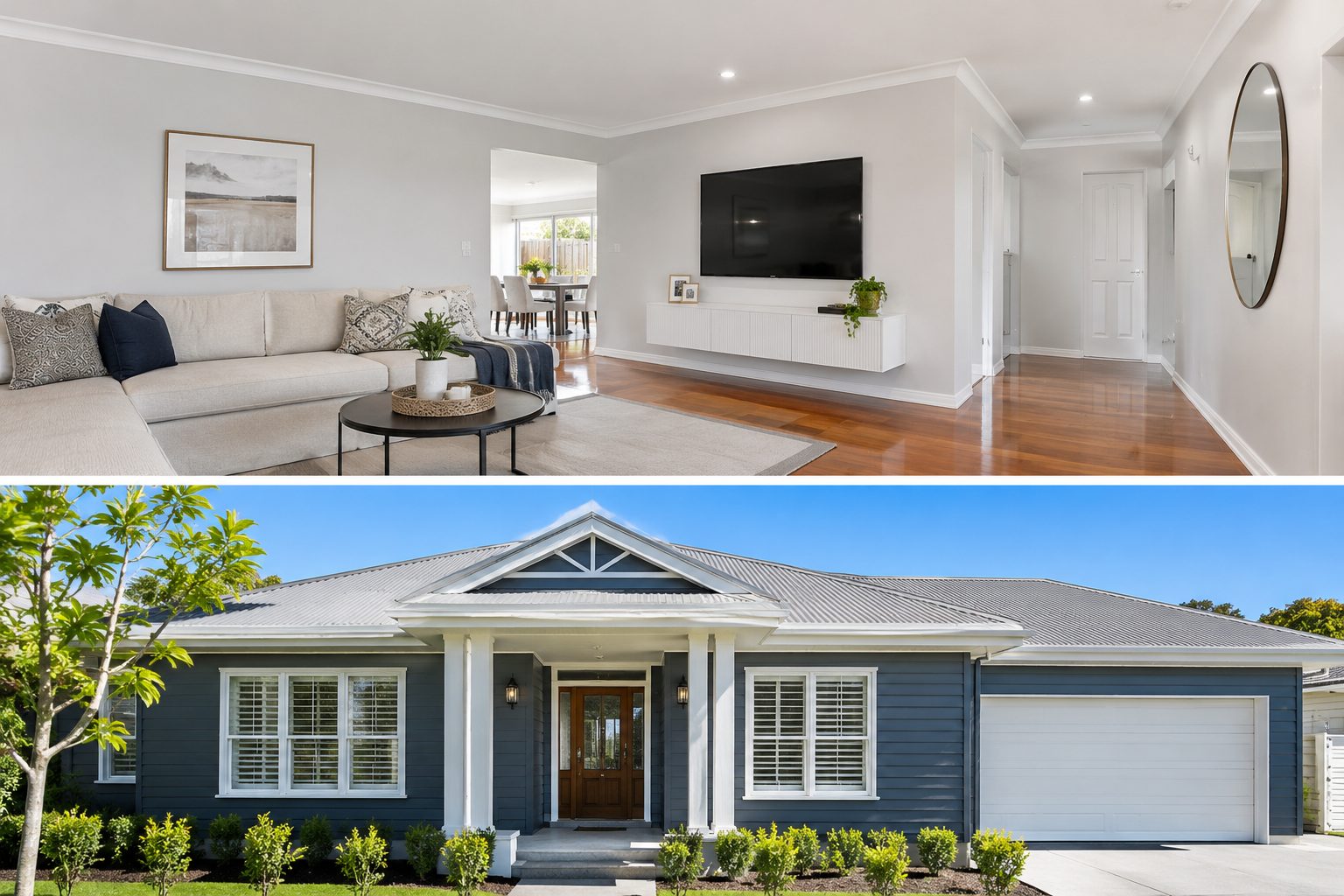
We value the character and details of Rockhampton's older timber properties.
We consider old coatings, exposed timber and suitable priming before repainting.
Weatherboard edges, windows, trims and corners receive practical consideration.
We explain how timber condition and elevated access can affect the project.
Own a weatherboard or Queenslander home in Rockhampton? Request a painting estimate for your property.
Free — no obligations
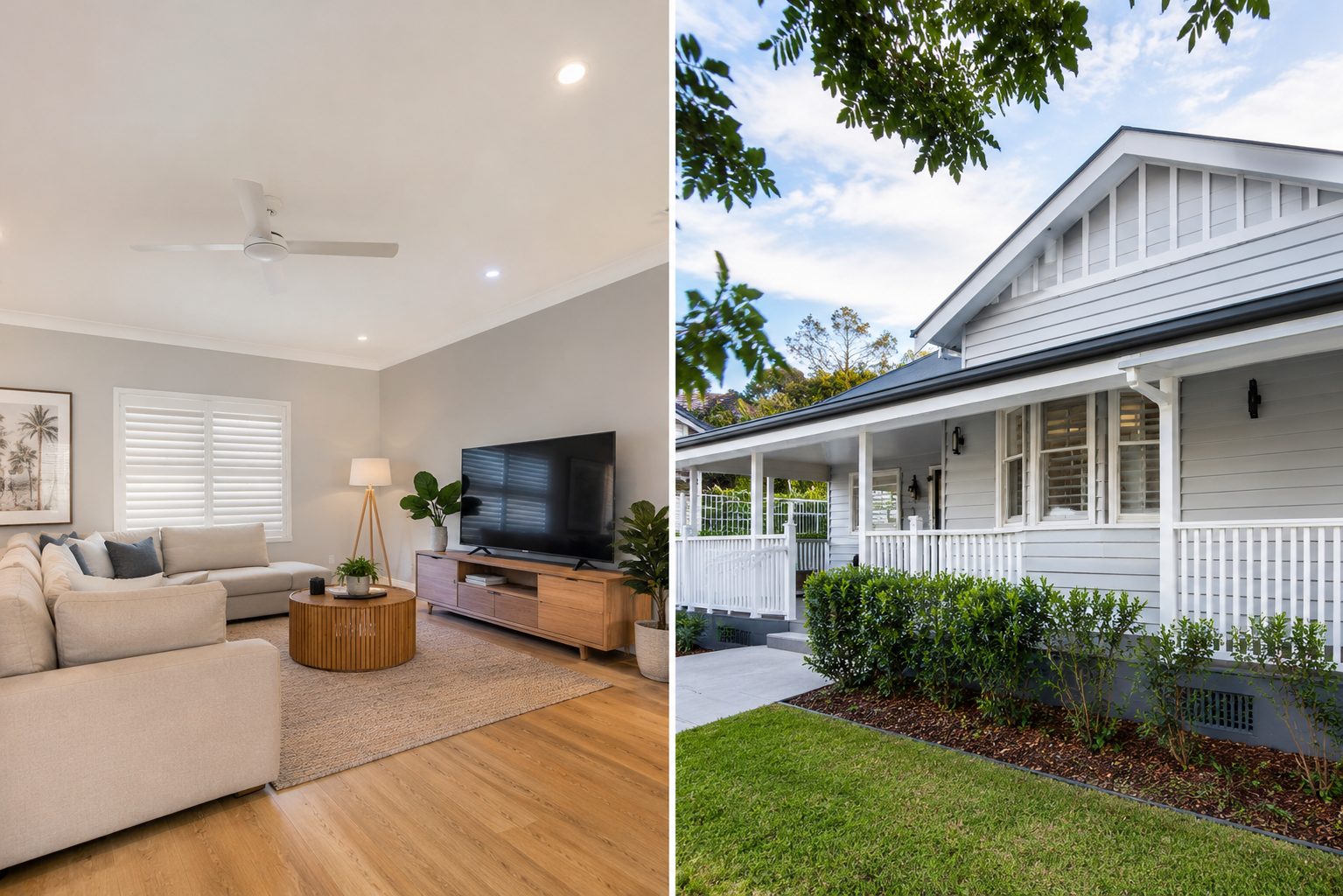
Tell us about the home's age, height, timber condition and existing finish.
Consider old coatings, timber defects, moisture and possible hazardous materials.
Establish appropriate cleaning, paint removal, sanding and priming requirements.
Apply suitable timber coatings in appropriate conditions according to the agreed scope.
Check coverage, edges, decorative features and agreed finishing details.